Essential Auto Repair Services You Shouldn't Ignore to Extend Vehicle Longevity
Extending a vehicle's long-term performance requires awareness of several key auto repair services. Routine engine oil services, brake system checks, and tire rotations play vital roles in guaranteeing peak performance and safety. Neglecting these fundamental services can lead to costly repairs and unexpected breakdowns. Appreciating the significance of these maintenance tasks is essential for every car owner. The question remains: what other services should not be overlooked to maximize the lifespan of your vehicle?
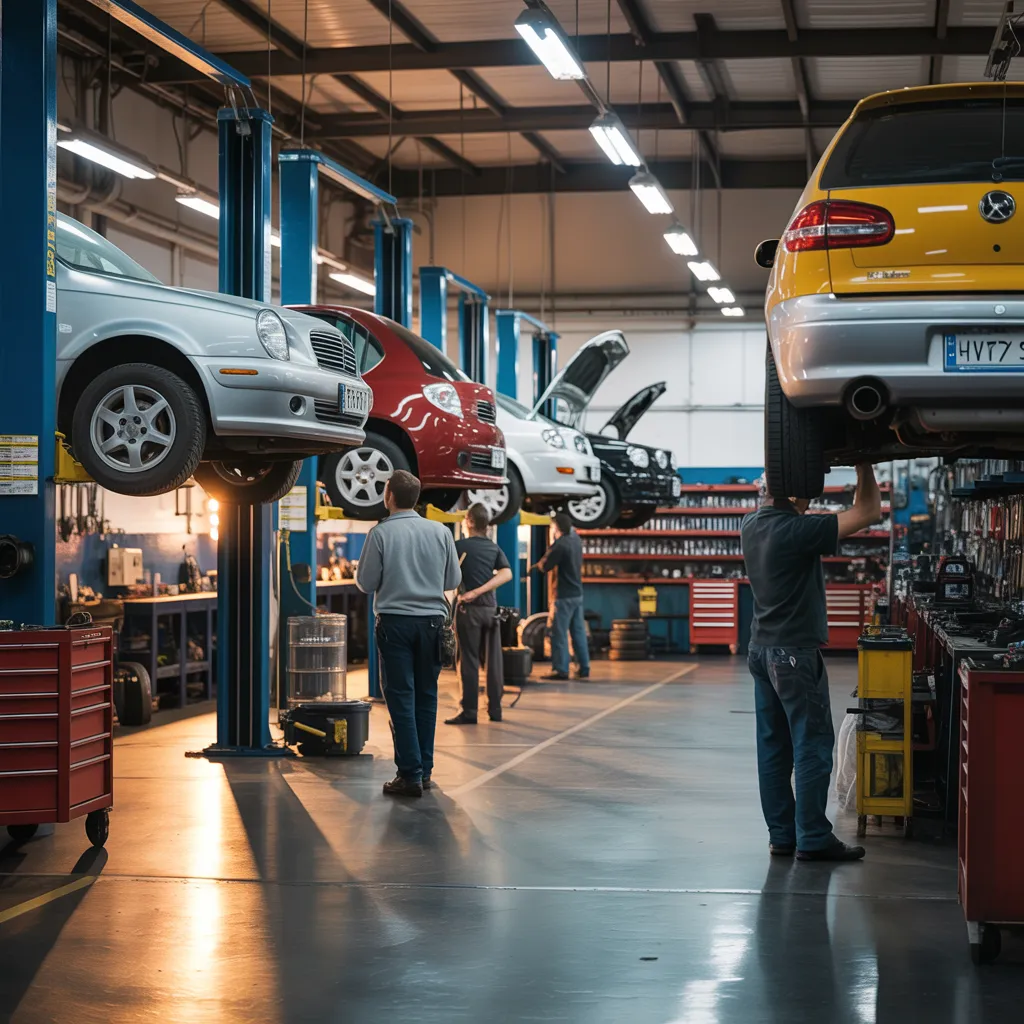
The Significance of Regular Oil Changes
Regular oil changes are essential for preserving a vehicle's performance and lifespan, as they ensure that the engine operates smoothly. Engine oil conditions moving parts, decreasing friction and averting damage. With time, oil deteriorates, diminishing its efficiency and gathering impurities that can damage engine parts. Regular oil changes guarantee that fresh oil circulates, providing ideal lubrication and protection.
Ignoring this responsibility can result in sludge buildup, lower fuel performance, and eventually, significant repair costs. Manufacturers frequently advise designated timeframes for oil replacement, typically every 3,000 to 5,000 miles, based on the type of oil used and driving habits. Following these recommendations not only enhances engine performance but can also increase the vehicle's resale value. Furthermore, consistent oil changes can help identify possible problems ahead of time, allowing for quick fixes. In summary, following a steady oil change program is an essential component of vehicle care that contributes greatly to its longevity.
How Brake Inspections Can Save You Money
Routine brake checks are highly effective at reducing ongoing costs for drivers. Through early detection of potential problems, these inspections can prevent costly repairs that arise from neglect. As an example, degraded brake pads often result in greater harm to the rotors, a repair that carries a much higher price tag. Regular evaluations ensure that brake components are functioning efficiently, ultimately improving the safety of your vehicle.
Furthermore, preserving superior brake condition can boost fuel efficiency. When brakes are underperforming, the vehicle might demand more energy to run, leading to increased fuel usage. Furthermore, regular evaluations can help avoid accidents, which can bring about expensive insurance disputes and increased fees.
Why Tire Rotations Are Essential for Safety
Tire rotations are critical for guaranteeing vehicle safety and performance. Routine tire rotations encourage uniform wear, extending their lifespan and maintaining peak traction. Irregular tire wear may result in diminished grip, most notably in harsh weather conditions, elevating the potential for accidents.
Furthermore, irregularly worn tires can adversely impact a vehicle's handling and stability, making it challenging for drivers to handle their cars. Well-preserved tire alignment, achieved through routine rotations, helps achieve enhanced fuel efficiency, as correctly balanced tires need less energy to operate.
The majority of manufacturers suggest tire rotations every 5,000 to 8,000 miles, but this recommendation may change according to driving habits and vehicle type. Sticking to this routine not only enhances safety but also ensures optimal vehicle performance. Skipping tire rotations can cause the need for premature and costly tire changes and put both the driver and other road users at risk.
Critical Fluid Checks You Should Carry Out
Keeping your vehicle safe goes beyond tire rotations; it also includes checking multiple key fluids necessary for top performance. Routine monitoring of engine oil, coolant, brake fluid, transmission fluid, and power steering fluid may eliminate costly repairs and promote consistent operation. Engine oil lubricates essential components, reducing friction and heat, while coolant controls engine temperature, protecting against overheating. Brake fluid plays a critical role in effective braking, as insufficient levels may cause brake failure. Transmission fluid guarantees smooth gear shifts and protects against wear. Power steering fluid supports smooth maneuvering, boosting overall driver control.
Overlooking these assessments can contribute to decreased vehicle performance and serious safety concerns. Drivers should supplementary information consult their manufacturer's manual to determine advised fluid levels and check-up schedules. By focusing on these important fluid assessments, car owners can enhance their vehicle's longevity and reliability, thus elevating their general driving satisfaction.
Why Routine Battery Maintenance Keeps Breakdowns at Bay
Regular battery maintenance is essential for avoiding unforeseen failures and prolonging battery lifespan. By recognizing signs of battery failure early, drivers can respond quickly to avoid inconvenience. Applying straightforward battery maintenance practices can greatly enhance vehicle reliability and longevity.
Tips for Extending Battery Life
Maintaining a vehicle's battery at peak performance is vital for reducing the risk of sudden failures. Routine upkeep is key to prolonging battery life. Ensuring battery terminals remain clean and free of buildup can substantially boost performance. It is advisable to check the battery's fluid levels periodically, ensuring they are at the recommended levels. Moreover, keeping connections tight and secure can minimize vibrations that might compromise components. Harsh temperatures can negatively impact battery life, making it advantageous to park in shaded or climate-controlled areas. Additionally, performing consistent battery evaluations, particularly ahead of lengthy drives, can uncover potential concerns in advance. Implementing these simple tips can help drivers avoid inconvenient failures and enhance overall vehicle longevity.
Symptoms of Battery Failure
How do drivers identify the initial indicators of battery failure? Observing specific indicators can help prevent unexpected breakdowns. A vehicle that struggles to start, especially in cold weather, may indicate weakening battery performance. Moreover, dimming headlights or electrical malfunctions, including power window failures, commonly suggest an insufficient power supply. Motorists should additionally inspect for corrosion on battery terminals, as this can negatively affect performance. Any noticeable swelling or leakage from the battery casing points to a severe problem and necessitates immediate action. Regular maintenance, such as cleaning terminals and testing battery voltage, can greatly extend battery life. By being vigilant and addressing these signs promptly, drivers can guarantee their vehicle remains reliable and avoid costly breakdowns.
Signs It's Time for a Professional Inspection
When is it appropriate for a vehicle owner to schedule a professional inspection? A number of warning signs can point to the need for expert evaluation. Abnormal noises, including grinding or squeaking, may point to mechanical concerns that necessitate immediate attention. Furthermore, dashboard warning lights, such as the check engine light, should always be taken seriously, as they frequently indicate underlying issues. Should a vehicle display reduced performance, including slow acceleration or diminished fuel efficiency, a professional assessment may also be necessary.
Moreover, unforeseen vibrations or difficulty steering can indicate suspension or alignment issues that endanger safe driving. Car owners should also arrange a thorough inspection after facing notable changes in road conditions, such as a harsh winter or heavy rainfall. Regular inspections can ultimately prevent costly repairs and extend the vehicle's lifespan, making this practice crucial for sustaining overall automotive wellness.
Popular Questions We Receive
How Often Should I Check My Air Filter?
Air filters ought to be inspected every 12,000 to 15,000 miles, or even more often when driving in dusty areas. Consistent inspections secure peak engine performance and fuel efficiency, supporting the long-term health of the vehicle.
What Are the Symptoms of a Failing Alternator?
Symptoms of a malfunctioning alternator involve fading headlights, a depleted battery, unusual noises, dashboard warnings on the dashboard, and trouble starting the vehicle. These symptoms suggest possible electrical concerns that demand immediate attention and diagnosis.
Can I Skip Maintenance if My Car Is New?
Overlooking maintenance on a new car is ill-advised. Routine maintenance ensures optimal performance, avoids future problems, and preserves warranty protection. Ignoring routine service appointments can result in expensive repairs later, affecting the dependability of your vehicle.
How Does Your Driving Style Impact Vehicle Lifespan?
Driving habits significantly affects the lifespan of your vehicle. Hard braking, aggressive acceleration, and frequent short journeys can lead to accelerated wear and tear, while regular maintenance, smooth driving, and maintaining steady speeds promote a longer vehicle lifespan and improved performance.
What Steps Should I Take if My Check Engine Light Turns On?
Upon the check engine light illuminating, one should promptly examine your vehicle's overall performance, review the owner's manual, and preferably seek professional diagnostics. Disregarding the light could cause further complications and expensive repair work.